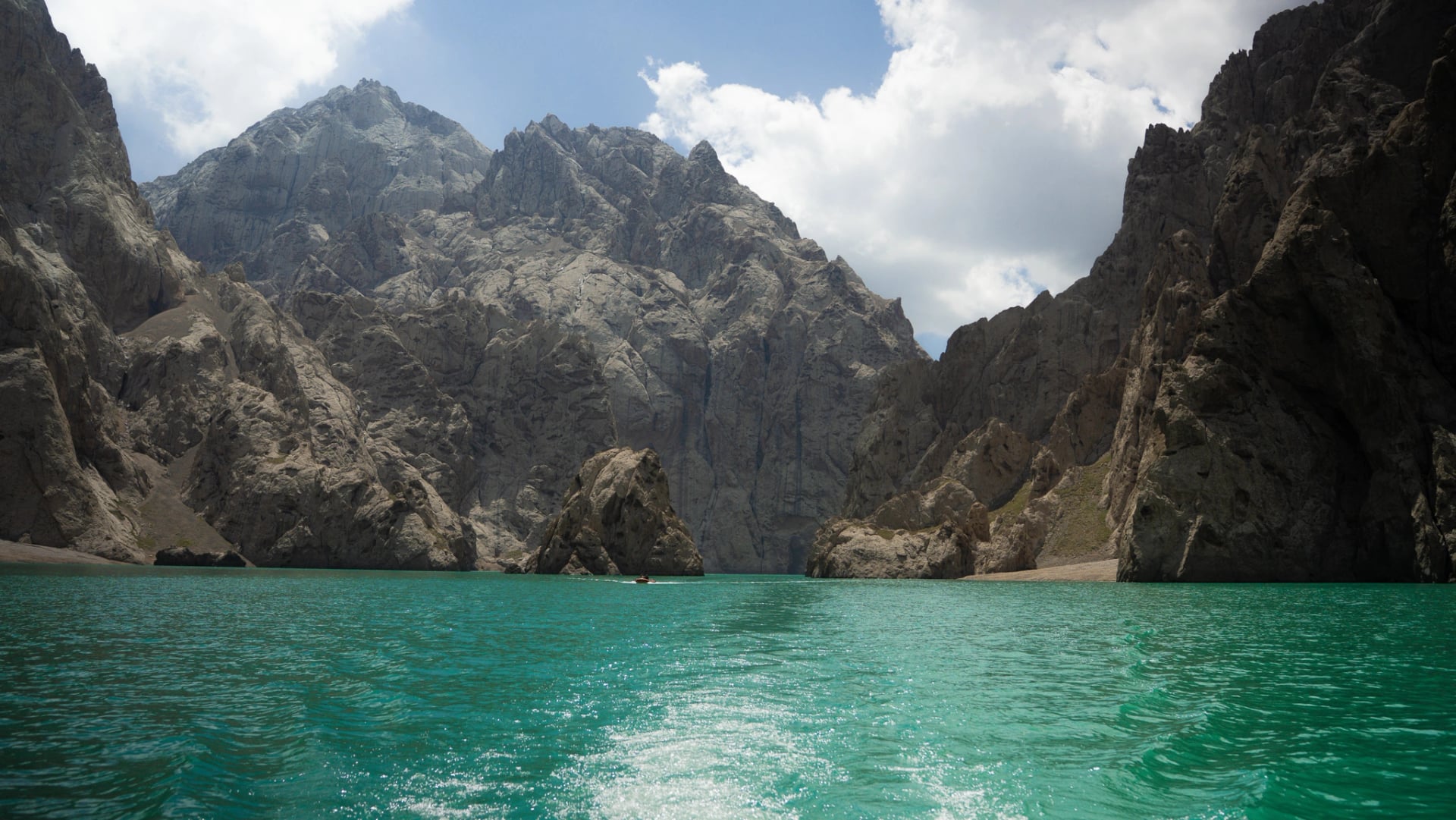

Kel-Suu is one of the most striking places on our Kyrgyzstan route, but it is not a normal lake stop. It sits near the Chinese border, at the end of a remote mountain leg where paperwork, road conditions and timing have to work together.
This guide separates what we personally experienced in August 2025 from what you need to confirm for a new trip. That distinction matters more here than a polished checklist that quietly goes out of date.
Scope: Access required a border-zone permit on our August 2025 trip. This does not confirm that a permit is required today. The requirement, issuer, lead time, price, collection point and document list can change. Reconfirm the current process before booking and again shortly before departure.
The decision in 30 seconds
Recommended
- •Confirm whether border-zone access is currently required before committing to fixed dates.
- •Ask who is responsible for the application, collection and checkpoint handover.
- •Keep the confirmed instructions and essential documents available offline.
- •Build a road and weather buffer around the visit, not only a paperwork buffer.
- •Treat every price and timing below as an August 2025 observation, not a current quote.
Kel-Suu works best when access, transport and the overnight plan are solved as one decision. A permit without a suitable route plan is not enough; a capable vehicle without the right paperwork may not be enough either.
What we actually did in August 2025
Our driver, Anvar, arranged the permit before we reached the checkpoint. We collected the document, carried our original passports and continued without difficulty. We also kept an offline copy of the paperwork in case phone signal disappeared.
That is a record of our trip, not a recommendation of a current provider or procedure. For your own route, ask whoever supports the drive whether they still arrange border-zone access, which party issues the document and how it will reach you before the checkpoint.
Our route gave Kel-Suu enough space for the approach, the lake and the return. I would not place it between two rigid city bookings. The remote leg is part of the experience, and it needs room for a slower-than-planned day.
Permit timing, documents and historical cost
| Decision | What we observed in August 2025 | What to confirm for your trip |
|---|---|---|
| Lead time | Two to three days | Current application deadline and office days |
| At the checkpoint | Original passports and the permit | The complete current document list |
| Backup | Offline copy of the paperwork | Which digital or printed copy is accepted |
| Planning estimate | EUR 15–25 per person when not bundled | The current total price and what it includes |
Weekends, local offices and route logistics may change the timing. Do not build a current itinerary around our two-to-three-day experience until the responsible party has confirmed it. If access is still permit-based, ask when the application must be submitted and when the final document must be ready.
The EUR 15–25 figure was our planning estimate in 2025. It is deliberately shown as historical context, not as a price expectation for a new booking.
The checkpoint and your personal data
Before sending a passport copy, photograph or other personal data, ask for the current requirements. Share only what is necessary, use a channel you trust and confirm how the information and resulting document will be handled.
During our trip, completing the process before phone signal faded made the day calmer. Save the contact name, instructions and any confirmed paperwork offline. A screenshot is useful, but it does not replace whatever original document the current process requires.
D4-5
Kel-Suu
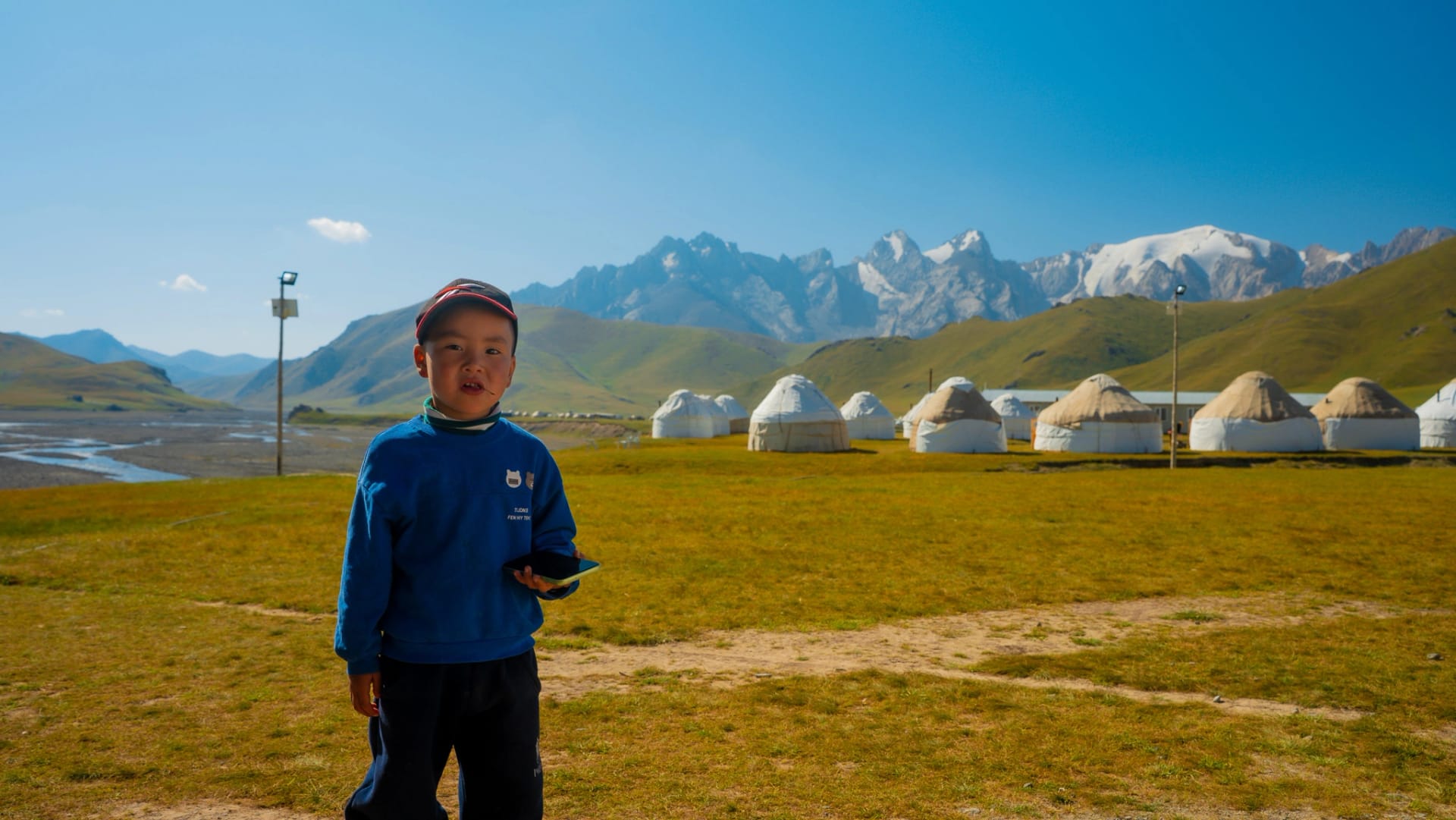
The permit was only one layer of the day. Long stretches without signal, a slow approach and weather moving through the canyon were what made the route feel genuinely remote.
The road is the bigger variable
Paperwork does not solve the road. On our route, mud, river crossings, weather and vehicle choice all mattered. A suitable local contact can help judge whether the approach is passable and how much time it is likely to take, but current conditions still need to be checked close to departure.
Plan the night before and the morning after as carefully as the lake visit. If every part of the day depends on perfect weather and a fast road, the itinerary is too tight. The best buffer is not empty time at the end of the trip; it is breathing room around the remote leg itself.


What to pack for this remote leg
Practical
- •Warm layers that remain accessible during the drive.
- •Water and enough food for a longer day than planned.
- •A charged power bank and essential documents stored offline.
- •Medication you may need, including motion-sickness support if rough roads affect you.
- •A small flexible bag rather than important items buried in the main luggage.
The logistics are not an inconvenience around Kel-Suu; they are part of what makes the place feel so removed. Pack for the whole approach, not only for the moment beside the water.
Final go or no-go check
- Current access or permit requirement confirmed.
- Responsible applicant, deadline and handover point confirmed.
- Current document list and data-sharing method confirmed.
- Suitable driver and vehicle matched to recent road conditions.
- Overnight plan and weather buffer leave room for delay.
- Historical price and timing have not been copied into the new plan as facts.
For the broader route context, read Days 5–6 in the Kyrgyzstan Field Notes. If your dates are still open, compare this decision with the best time to visit Kyrgyzstan before adding Kel-Suu to the planner.
From my photography collection
Photos from: Kel-Suu
